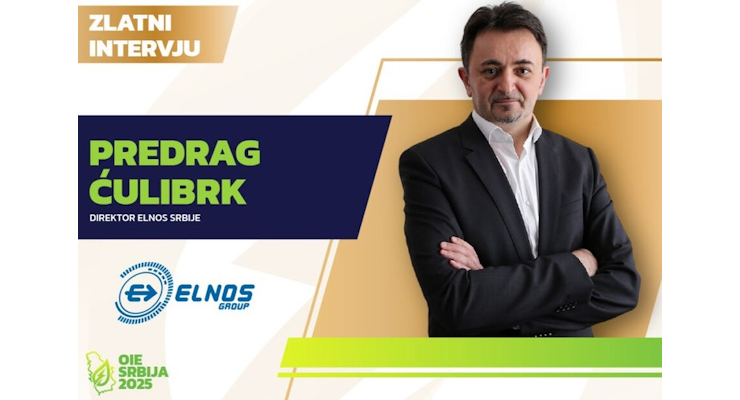
Elnos Serbia has done exactly that – recognizing the potential of renewable energy sources and securing its place among the leaders of the sector. We spoke with Predrag Ćulibrk, General Director of Elnos Serbia, about vision, challenges and ambitions, as well as the projects shaping the future of energy.
Elnos Serbia has held a prominent position in the renewable energy sector for years. Which current and completed projects would you highlight in particular?
If there is one area that has defined our work in recent years, it is certainly green energy. To date, Elnos Serbia has delivered a diverse portfolio of renewable projects, many of them of strategic importance. Through cooperation with global leaders, we have introduced state-of-the-art technical solutions and innovations to the domestic market.
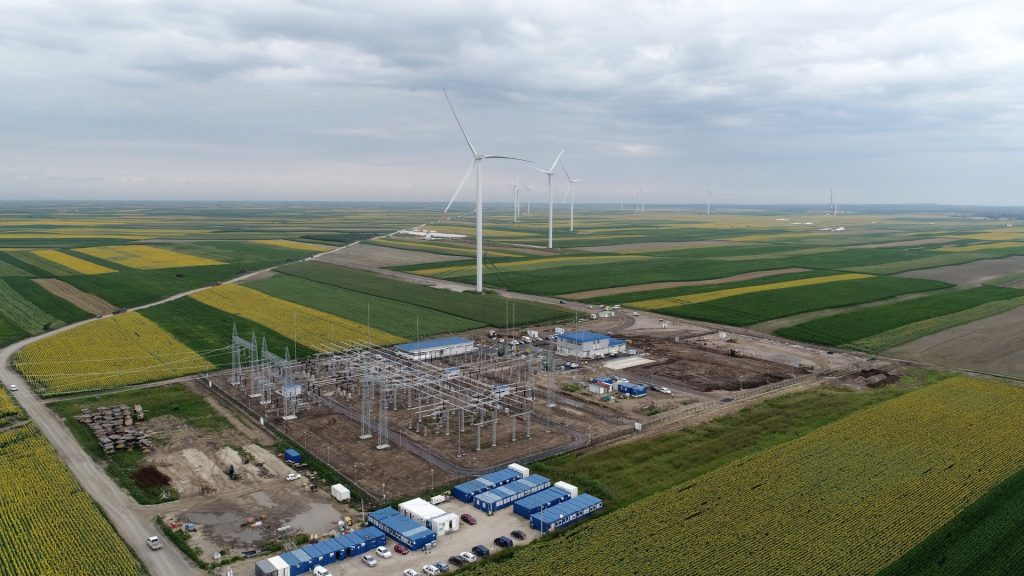
We are currently working on the Čibuk 2 wind farm (155 MW), continuing the green story in Banat, where we previously built Čibuk 1 (158 MW) – the largest wind farm in the Western Balkans. Our teams have also completed the Krivača wind farm (103 MW), the first wind power plant south of the Sava and Danube rivers, a project we are particularly proud of. In neighbouring Montenegro, Elnos Serbia and its teams of top experts are also involved in the construction of the Gvozd wind farm (56 MW).
Although wind farms are currently in the spotlight, it is important to emphasize our strong footprint in hydropower as well. Projects such as the revitalization of the Zvornik Hydropower Plant (124 MW), small hydropower plants in Western Serbia, and the ongoing large-scale modernization of the Perućica Hydropower Plant (307 MW) in Montenegro all bear our signature.
Our contribution also extends beyond the region. Among particularly notable projects is the carbon-neutral High Speed 2 project (Manchester–London high-speed rail) in the United Kingdom, one of the largest infrastructure undertakings in Europe, of which we are proud to be a part.
What do you see as the greatest challenges in the implementation of renewable energy projects? Do they differ between Serbia, the region, and developed European markets such as Germany or Denmark?
Renewable energy projects, whether in Serbia, the region, or developed European markets, always come with multiple challenges – from technical solutions and regulatory frameworks to local logistical and climatic conditions.
In Serbia, challenges often relate to aligning project timelines with permitting processes and infrastructure readiness. In Germany and the United Kingdom, integration of new technologies and stringent environmental standards can be among the key challenges.
Our advantage lies in the fact that, as a member of Elnos Group, we operate in 18 markets, employ more than 850 people, and stand behind projects that have delivered over 2 GW of installed green energy capacity. Experience and solutions gained on one project are quickly transferred to others – enabling us to efficiently build the Čibuk 2 wind farm in Banat, the Búrfell 2 hydropower plant (100 MW) in Iceland, or design the Morgavel solar power plant (48.96/44 MW AC) in Portugal.
Beyond renewable projects, how does Elnos Group further contribute to decarbonization and sustainable development goals?
For us, decarbonization is not limited to participation in renewable energy projects – it is part of our DNA. Elnos Serbia has implemented carbon footprint measurement and verification, allowing us to precisely monitor all direct and indirect greenhouse gas emissions arising from our activities.
By doing so, we have not only aligned our operations with European obligations and global climate efforts but have also clearly demonstrated that environmental responsibility is among our highest priorities. We place strong emphasis on ESG standards, which serve as our framework for responsible business conduct. They help us embed sustainability into all aspects of our operations while building long-term foundations for growth.
Sustainability is a prerequisite for the future of energy, and Elnos Serbia, together with Elnos Group, demonstrates that we are among the companies that clearly see this path, understand it, and actively shape it – both in the region and on demanding European markets.
How much do you invest in the development of professional talent, particularly engineers, without whom the energy transition is not possible?
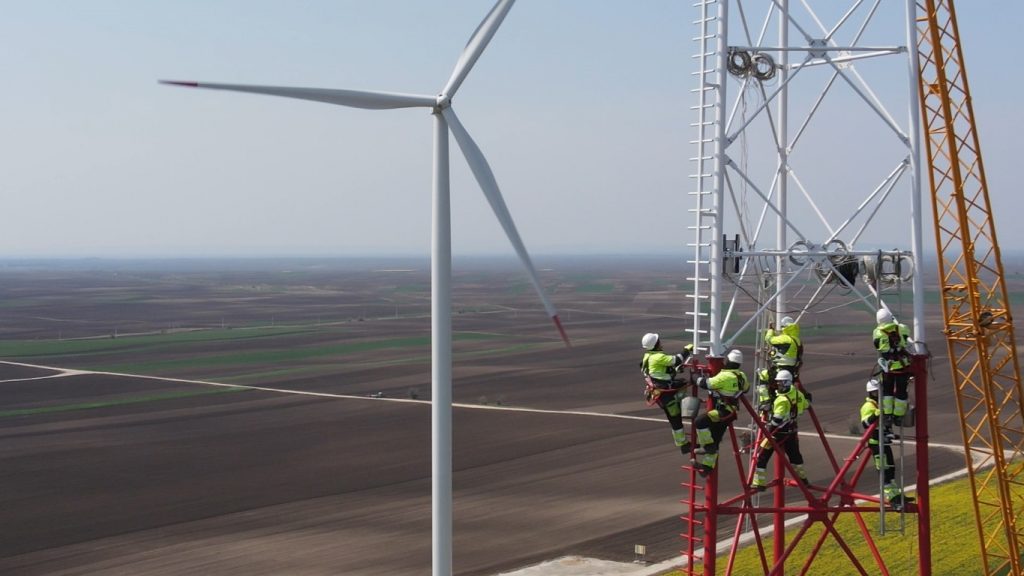
The energy transition is impossible without top-level professionals, and our responsibility is to educate, develop, and retain them. At the Group level, we have been investing for years in talent development through student summer internship programs, scholarships for promising young professionals, and comprehensive training systems that combine theory with best-in-class practice.
We also organize high school internship programs to give young people early exposure to the energy sector. Our scholarship holders and interns gain hands-on experience in real working environments, participating in projects that shape the power systems of the future. We are particularly proud of our installer training programs conducted at our training facilities in Banja Luka, which have already been completed by several hundred participants.
Investing in people is the most important investment. Our goal is to build a company that listens to market needs and develops teams ready for the challenges of modern energy systems.
After a long and successful career in telecommunications, you transitioned into the energy sector. What motivated this move, and which management skills did you carry over?
Telecommunications and energy are two sectors with immense development potential and virtually limitless prospects. Historically, they have not always followed the same pace of development. Over the past few decades, telecommunications experienced a true breakthrough in the final decade of the 20th century with the emergence of the internet and mobile communications.
I was fortunate to hold highly responsible positions during that period, witnessing firsthand how technology reshapes reality and creates opportunities on an extraordinary scale. Today, I am convinced that the amplitude of innovation is now strongly on the side of the energy sector, perhaps more than ever before. This realization guided my decision to move into energy.
In both industries, the key drivers of growth are innovation, efficient resource management, and the ability to lead large systems toward sustainable development. The skills I acquired in telecommunications – strategic planning, digital transformation, managing periods of profound technological change, leading large teams, and overseeing major investment cycles – are highly applicable in the energy sector, especially today as it undergoes an exceptionally dynamic transition.
For me, this was not a shift from one industry to another, but a continuation of the same journey: building the infrastructure of the future, whether for data transmission or energy.
What is your vision for the development of Elnos Serbia? What are your priorities moving forward?
Modern energy in Serbia has a tradition spanning more than 130 years, and today it stands at what may be its most exciting phase of development. My vision is for Elnos Serbia to be a company that enhances the energy resources of Serbia, the region, and Europe through cutting-edge engineering solutions and innovations, while setting new standards across all areas of the power sector.
Naturally, strong growth in renewable energy remains a priority, where we have already achieved significant progress. Equally important is the expansion of services that support the accelerated green transition. One thing is certain – future generations deserve energy that is cleaner, more stable, and more accessible, and we are here to help make that a reality.