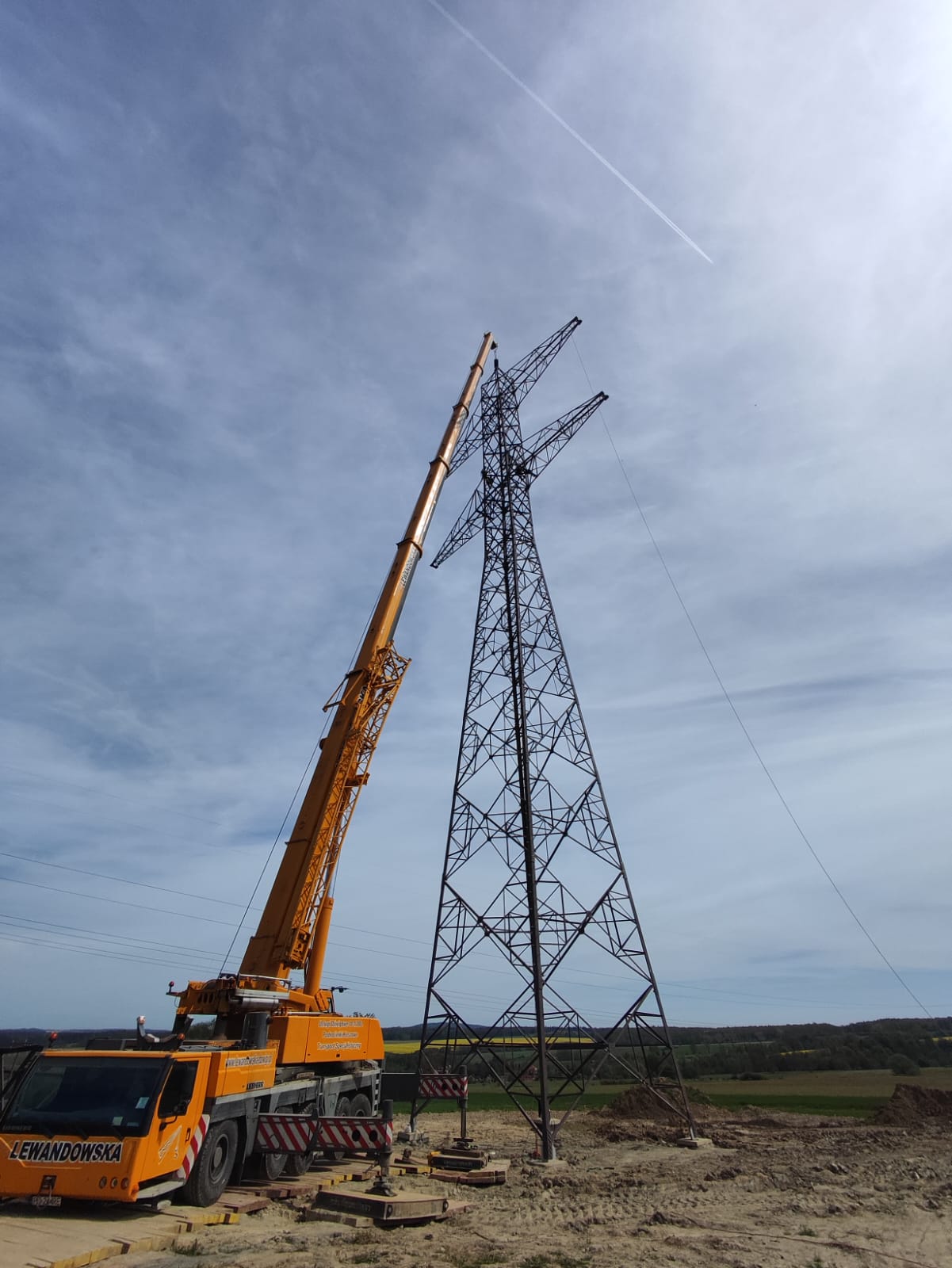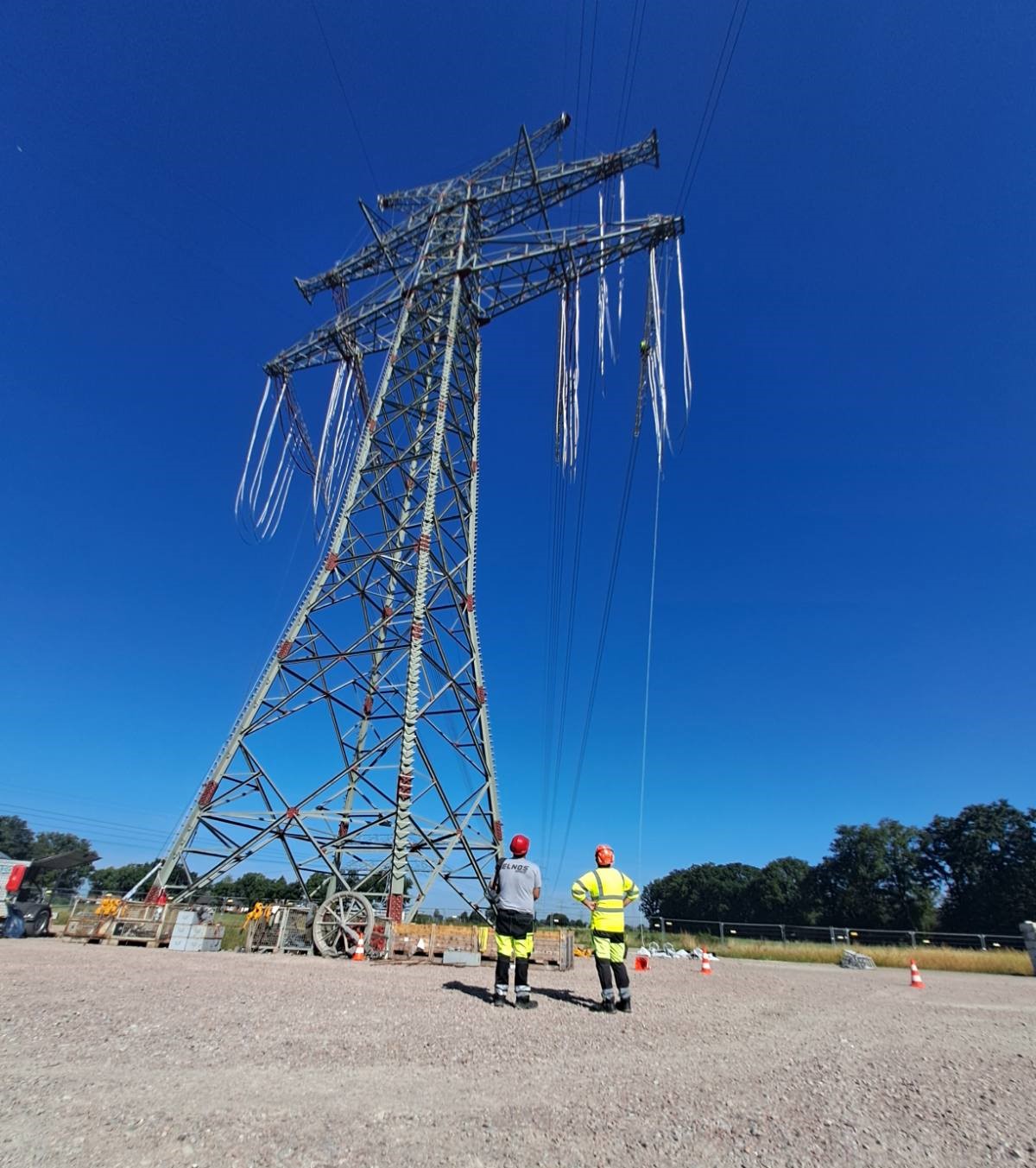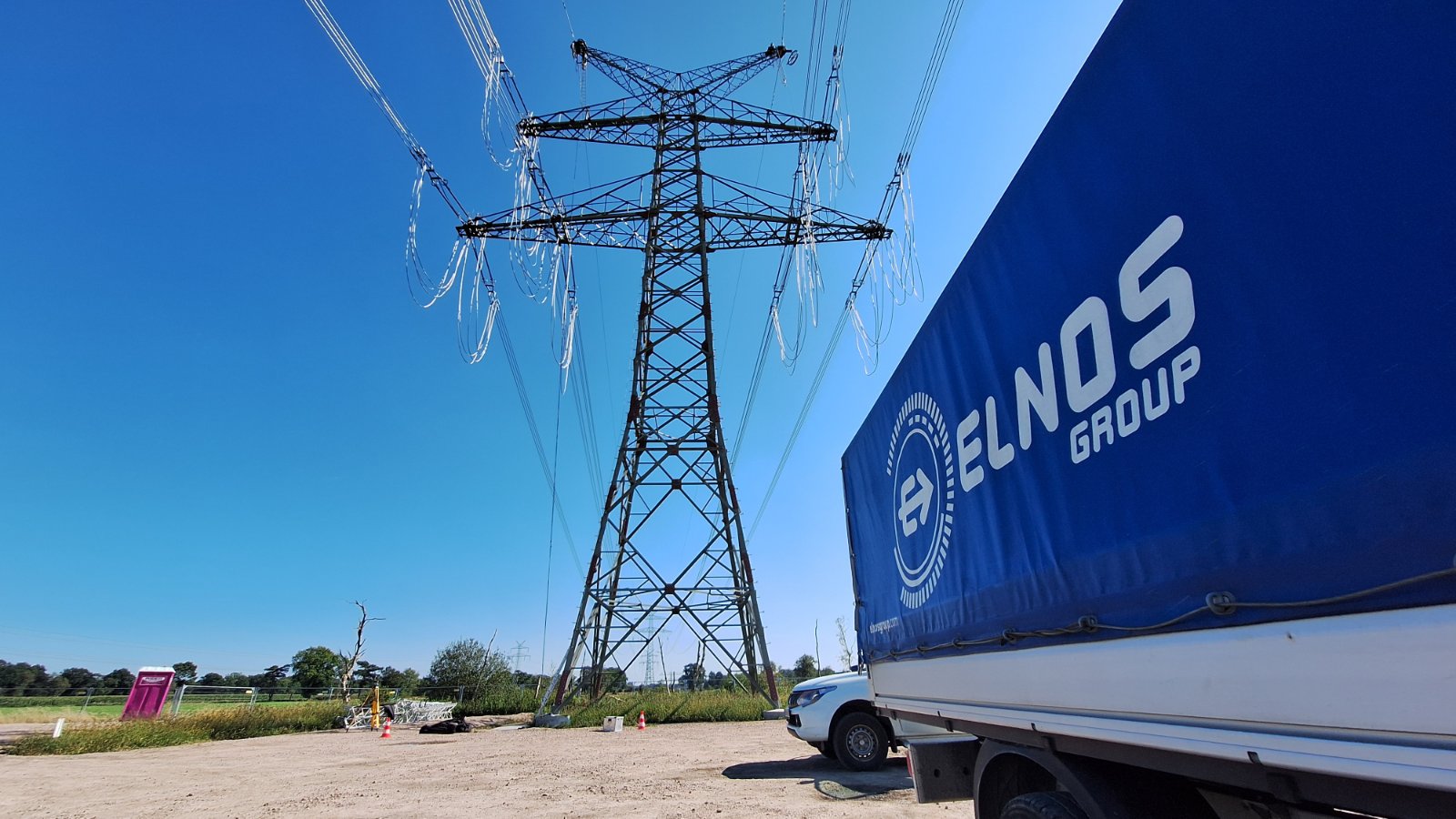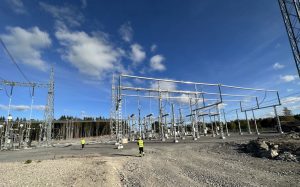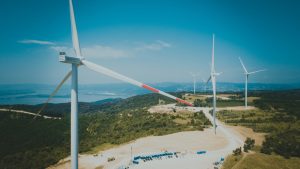
Lower Saxony, the epicentre of wind energy in Germany, is continuously upgrading its high-voltage network. The new 380 kV transmission line Conneforde–Cloppenburg–Merzen is a key asset for integrating renewable energy sources and strengthening grid stability.
Project Summary
This project is part of Germany’s broader strategy to modernise its power infrastructure to ensure reliable transmission of electricity produced from renewable sources to industrial centres and urban areas. Its realization represents a significant technical challenge due to the complex works carried out without shutting down the grid.
Technical Characteristics
- Line length: 60 km
- Number of conductors per phase: 4 (a specification unique to Germany)
- OPGW cable: Dual OPGW for enhanced data transmission stability
- Live-line working conditions: Advanced protection methods enabling uninterrupted operation during works
Challenges in Execution
The project includes work in a high-voltage environment without disconnecting the line, making safety and precision paramount. The main challenges were:
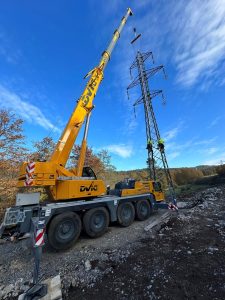
- Working above existing energized lines with installation of auxiliary towers and special protective structures
- Use of temporary portals above live conductors to ensure safe operations at height
- Execution in agricultural areas requires additional ecological protocols to minimise impact on land and the local community
- Constant rain and wind that frequently interrupted work, requiring dynamic adaptation to rapidly changing weather conditions
- Strict environmental regulations demanding precise planning and full compliance with natural resource protection laws
Elnos Group’s Role
As the key contractor for electrical assembly works, Elnos Group played a significant role in:
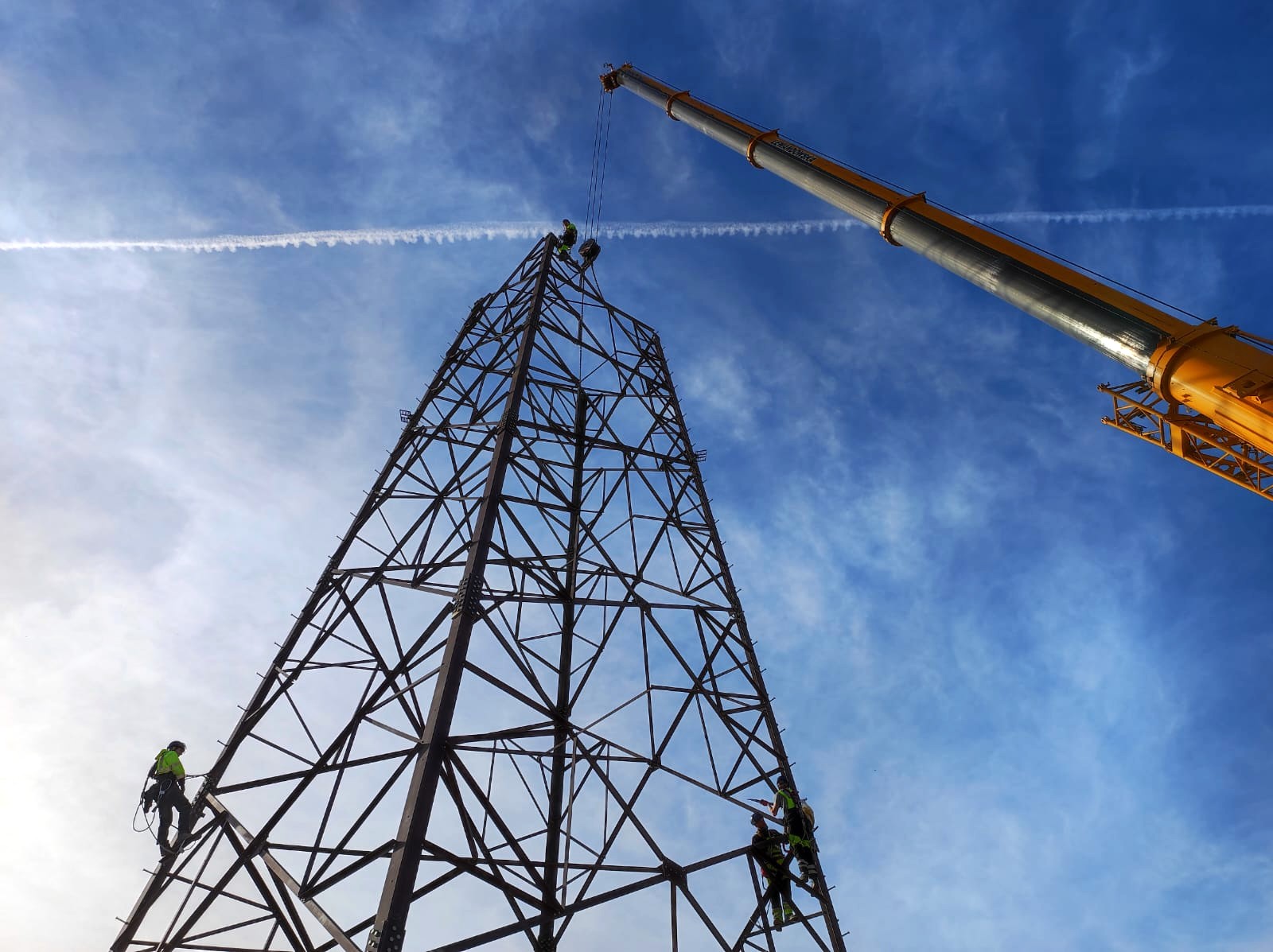
- Performing electrical assembly works, including installation of new conductors and OPGW cables
- Installation of insulator strings, suspension equipment, and construction of bypass structures
- Cooperation with local and regional grid operators to precisely plan each project phase
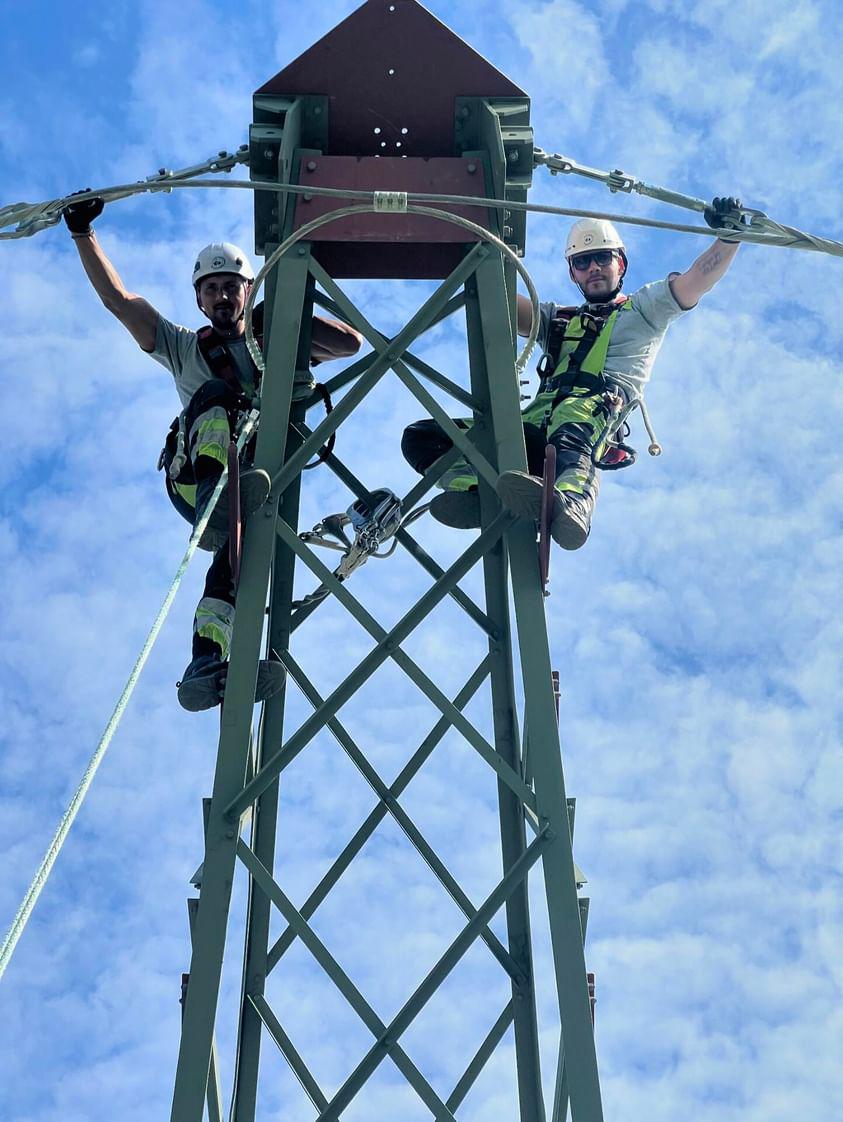
- Ensuring high safety standards through extensive worker training and the use of specialised protective equipment for high-voltage transmission line work
Strategic Significance
- A major project for integrating wind energy into Germany’s power grid, enhancing national energy stability
- Long-term improvement of grid reliability and resilience by strengthening critical infrastructure
- Reduction of transmission losses, contributing to more efficient national energy distribution and lower financial losses
- Strong support for Germany’s energy transition by enabling optimised transmission of renewable electricity
Implementation of this project is a significant step in Germany’s energy strategy, enabling a more efficient and environmentally sustainable power system, prepared to meet the growing demands of industry and households.